


Google Pixel 11 Pro Review: Great Daily Software, Costly Hardware Trade-Offs
Pricing and Storage Adjustments
FACT Google has eliminated the 128GB baseline tier for the entire Pixel 11 generation. All standard, Pro, and Pro XL models now begin at 256GB of onboard storage. However, baseline pricing across the generation has increased by $100.
| Model | Display Size | Starting Price (US) | Base Storage | Key Hardware Target |
|---|---|---|---|---|
| Pixel 11 | 6.3″ OLED | $899 | 256GB | Mainstream flagship |
| Pixel 11 Pro | 6.3″ LTPO OLED | $1,099 | 256GB | Compact telephoto option |
| Pixel 11 Pro XL | 6.8″ LTPO OLED | $1,299 | 256GB | Max battery and display area |
Hardware Performance: Everyday Smoothness vs. Raw Muscle
The Pixel 11 Pro is powered by Google's Tensor G6 silicon. In standard day-to-day operations—messaging, media consumption, and web browsing—the device feels smooth and responsive. However, testing reveals distinct boundaries between CPU competency and GPU capability.
- CPU Processing: The Tensor G6 delivers approximately a 20% improvement in single-core and multi-core CPU tasks compared to the Tensor G5. For everyday tasks, its execution is on par with Qualcomm's Snapdragon 8 Elite Gen 5 platform.
- GPU and Sustained Loads: The integrated GPU remains significantly behind competing Android flagships. Under heavy graphical loads, 3D gaming, or aggressive video rendering, the phone encounters frame drops and thermal throttling.
- Battery and Charging: Daily real-world battery endurance comfortably delivers 5 to 6 hours of active screen-on time with approximately 30% reserve at night. However, Google’s new "Extreme Charging" feature only peaks at 30–35W by temporarily disabling certain background and thermal controls when under 50% battery. Competing devices frequently support 45W to 80W wired charging.
Camera System: Refined Optics, Identical Ultrawide
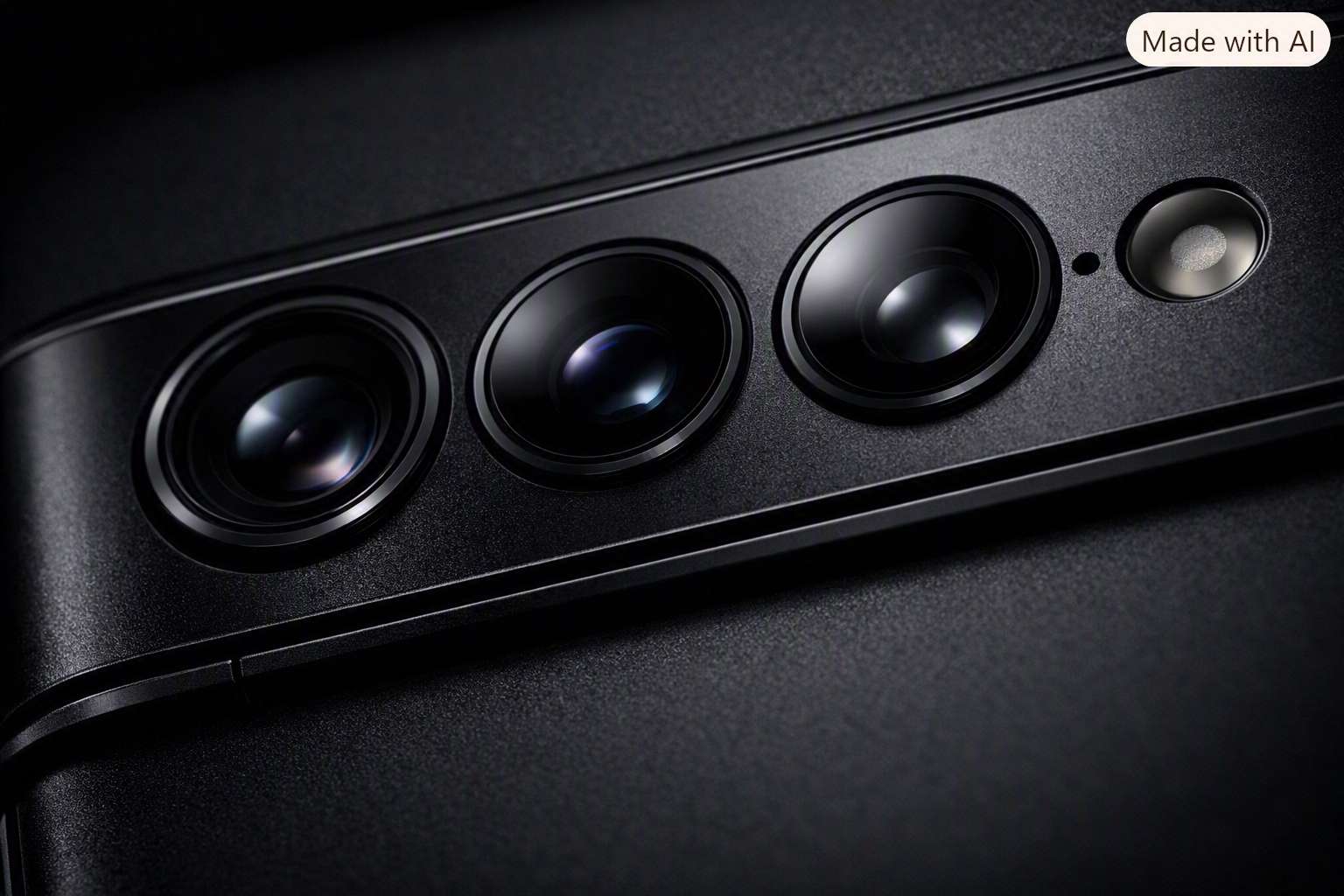
Google upgraded the primary camera sensor to a larger 50MP module and added an improved 5x optical telephoto lens. The ultrawide sensor remains unchanged from the prior generation.
Strengths:
- The larger main sensor captures cleaner low-light exposures with noticeably reduced processing time in Night Sight mode.
- The 5x optical telephoto produces sharp, contrast-rich images that match Google's signature color science.
Limitations:
- Digital zoom beyond the 5x optical range degrades rapidly, exhibiting watercolor artifacts and edge-smoothing.
- The primary lens continues to experience internal point-light reflections (lens flares) during nighttime video capture.
- The ultrawide camera shows visible soft edges in challenging light, indicating the limits of aging hardware.
The Security Downgrade: MTE Removal and GrapheneOS

Critical Security Note: Memory Tagging Extension Cut
FACT Internal engineering documents and bootloader analysis confirmed that Google removed hardware support for Memory Tagging Extension (MTE) in the Tensor G6 silicon. MTE was designed to detect and block memory corruption vulnerabilities at the hardware level and had been supported in Pixel hardware since the Pixel 8 generation.
IMPACT While mainstream users running stock Android 17 will not notice this change in day-to-day operation, the privacy-focused operating system GrapheneOS has announced it cannot support the Pixel 11 series due to this hardware regression. Users prioritizing hardware-enforced memory security are advised to remain on supported older Pixel devices or explore alternative platforms.
Decision Guide: Should You Buy the Pixel 11 Pro?
Who Should Buy It
- Users seeking a streamlined, bloat-free Android 17 experience with seven years of promised OS updates.
- Photographers who prioritize straightforward point-and-shoot color accuracy over manual 200MP capture or extreme 10x+ zoom ranges.
- Owners of a Pixel 8 or older whose devices have degraded batteries or older, less efficient processors.
Who Should Look Elsewhere
- Mobile Gamers: Devices utilizing dedicated high-end Snapdragon or Dimensity chips offer substantially higher sustained frame rates.
- Fast-Charging Users: If you depend on quick 15-minute top-ups, the 35W limit will feel restrictive compared to OnePlus or Xiaomi flagships.
- Privacy Hardening Enthusiasts: Anyone specifically intending to run GrapheneOS or utilize physical MTE security safeguards.
- Value-Conscious Buyers: The baseline Pixel 11 ($899) includes the identical Tensor G6 silicon, identical primary software features, and similar battery life for $200 less.
Common Purchase Mistakes
- Paying $1,099 for "Pro" Internal Power: The base Pixel 11 and Pixel 11 Pro share the same Tensor G6 processor and RAM configurations. Upgrading to the Pro only grants the telephoto lens, slightly brighter display, and matte rail finish.
- Expecting Flagship Zoom Past 10x: The Pixel 11 Pro does not feature a dual-telephoto array or a 1-inch type sensor. Beyond 5x optical reach, images rely heavily on digital cropping.
Bottom Line
RECOMMENDATION The Google Pixel 11 Pro is a dependable, well-crafted smartphone defined entirely by Google's software strengths. However, with price increases pushing the Pro to $1,099 and the XL to $1,299, Google's conservative approach to GPU performance, charging speed, and sensor size becomes harder to overlook. For the vast majority of consumers, the standard Pixel 11 ($899) provides roughly 90% of the overall user experience at a significantly more defensible price point.